Nativity Traditions Around the World: The Complete Global Guide
Explore unique Nativity traditions from Italy's presepe to Latin America's belén. Learn the why and how global customs vary and enrich the Christmas story. Start your discovery now!
By Grace Callahan Biblical history enthusiast uncovering the deeper meaning of the Nativity, with expertise in archaeological research, peer-reviewed theological studies, and cultural anthropology documentation.
12/11/202511 min read
Summary:
Global Nativity traditions (crèches) vary significantly based on cultural assimilation, regional craftsmanship, and the timing of the display (Advent vs. Epiphany).
The essential figures and placement often reflect local culture, such as the Catalan Caganer (the 'pooper') or the placement of the Christ Child on Epiphany, not Christmas Day.
Latin American traditions (e.g., the belén) emphasize extended scenes and community involvement, while European customs focus more on historical accuracy or artistic refinement.
The material of the set (olive wood, clay, resin) is a key cultural indicator, reflecting local craftsmanship and historical trade routes, offering a tangible connection to the story.
Understanding these differences builds a deeper appreciation for how the Nativity story became a universally adopted, yet highly personalized, cultural touchstone.
The Global Nativity: Why Customs and Crèches Vary So Wildly Around the World
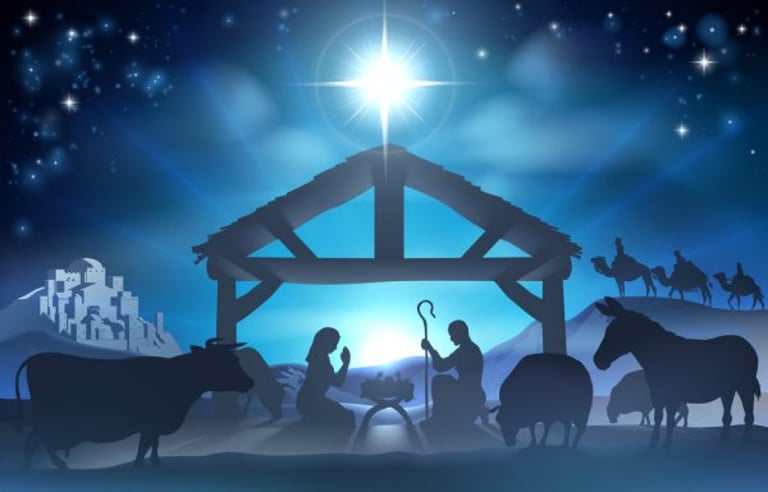
The Nativity scene, or crèche, is arguably the most recognized symbol of the Christian celebration of Christmas. Yet, travel from the cobblestone streets of Naples to the high plains of Peru, and you will find a radically different scene depicting the same pivotal moment. It begs the question that fascinates collectors and historians alike: why do these depictions of Christ's birth vary so wildly, and what do these differences tell us about the cultures that created them?
The answer lies in a powerful combination of theological interpretation, cultural assimilation, and local artistic expression. The crèche, or Nativity display, is not a static historical record; it is a dynamic, living piece of cultural anthropology that reflects the values, struggles, and artistic sensibilities of the people who craft and cherish it. This Pillar resource will journey through the historical origins of the Nativity scene, explore the most unique global customs, and provide the deep historical and theological context you need to understand why these traditions vary [1].
In this Ultimate Guide, you will learn:
The historical and theological origins of the Nativity scene, starting with St. Francis of Assisi in the 13th century.
The specific cultural reasons and local craftsmanship that drive the differences in Nativity sets by country (e.g., materials, style).
Detailed breakdowns of unique regional figures, such as the Caganer (Catalonia) and the hidden Christ Child (Italy/South America).
The critical variations in the timing of Nativity displays, linking Advent, Christmas, and the Feast of the Epiphany.
The Foundation of Tradition: Historical and Theological Roots of the Crèche
To truly understand why Nativity traditions differ, we must first look at their shared origin. The practice of creating a physical scene depicting the birth of Jesus did not exist in the earliest centuries of Christianity. The emphasis was purely theological—a meditation on the Incarnation. It was a single, pivotal act of faith and cultural ingenuity in the 13th century that transformed the idea of the Nativity into a tangible, artistic custom, setting the stage for all the global variations that followed.
St. Francis of Assisi and the First Live Nativity
The genesis of the Nativity scene is attributed to St. Francis of Assisi in the year 1223. Traveling to the remote Italian village of Grecio, St. Francis sought to bring the story of the Christ Child closer to the common people, who were often illiterate and struggled to visualize the events described in the Gospels. He received permission from the Pope to stage a live Nativity in a cave near the town [2].
This was a radical act. Instead of relying on a distant, abstract sermon, St. Francis used real hay, a real ox, and a real donkey. He brought the sacred story down to earth, literally placing it within the physical reality of the peasant class. This focus on humility and human experience is the theological foundation that allows global traditions to incorporate local, earthly elements—from regional dress to local fauna. The tradition, thus, became less about perfect historical accuracy and more about spiritual connection and relatable cultural context.
Theological Purpose: Bridging the Divine and the Human
The core theological purpose of the crèche is to demonstrate the Incarnation: the moment the divine became human. This concept is fundamental to why nativity scene differences persist across cultures.
Relatability: The crèche makes the Incarnation accessible. By dressing the figures in local attire, using local woods, or placing the scene in a local setting (a forest, a town square), the story is localized and thus, made personal.
Worship through Art: For many cultures, especially those with strong traditions in devotional art, the creation of the Nativity set (pesebre or belén) is itself an act of worship. The craftsmanship and dedication to detail become a prayer.
The Unveiling: The custom of not placing the Christ Child figure in the manger until Christmas Eve is a powerful theological statement, delaying the full reality of the Incarnation until the exact moment of celebration, reinforcing the anticipation of Advent.
The Grand European Nativity Traditions
European traditions are the oldest, having evolved directly from St. Francis's original vision. They range from the elaborate, artistic flair of Southern Europe to the simple, carved precision of the North, demonstrating distinct approaches to depicting the Holy Night.
Italy: The Presepe and the Art of Naples
Italy is the heartland of the presepe tradition, particularly the city of Naples. A Neapolitan presepe is not simply a manger scene; it is a sprawling, often anachronistic depiction of 18th-century Neapolitan life, complete with bakers, musicians, tavern-goers, and local merchants.
The World in the Scene: The scene is characterized by its attention to secular detail alongside the sacred. It’s an entire village surrounding the Holy Family, often depicting contemporary life. The message is that the sacred event of Christ's birth breaks into the chaos of the everyday world.
The Hidden Christ Child: A common Italian nativity custom is the practice of leaving the manger empty until midnight on Christmas Eve, or sometimes even until the Feast of the Epiphany, a tradition adopted throughout Southern Europe and Latin America [3].

Spain and Catalonia: The Tradition of the Caganer
Spain has a deep tradition centered on the belén (meaning "Bethlehem"). However, the most famous and unique figure hails from the autonomous region of Catalonia: the Caganer.
The Caganer (literally "the defecator") is a small, hidden figurine traditionally dressed in Catalan peasant clothes, squatting and defecating. This unusual figure is placed in a corner of the Nativity scene. While startling to outsiders, its inclusion has deep cultural roots:
Fertility and Prosperity: The Caganer is a symbol of good fortune for the coming year. The act of returning matter to the earth (fertilizing the soil) is associated with a fruitful harvest and prosperity, tying the Nativity scene directly into agricultural and worldly concerns.
Humility and Equality: It also reinforces the idea that all people, regardless of social standing, are equal in the eyes of God and that this sacred moment occurs in the context of the everyday. Modern Caganer figures often depict celebrities or politicians, continuing the custom of inserting contemporary figures.
Germany and France: Simplicity, Wood Carving, and the Epiphany
Northern European traditions often contrast sharply with the elaborate Southern style, favoring simplicity, craftsmanship, and a focus on the Magi.
German Krippe: German Nativity scenes are traditionally carved from wood, often displaying the precise, clean lines characteristic of master German and Austrian woodworkers. In Germany, the three Magi (The Three Kings) are often the focal point, reflecting the custom of celebrating the Wise Men's arrival during the Feast of the Epiphany.
French Santon: In Provence, France, the tradition of the Santon ("little saint") is predominant. These are small, hand-painted terracotta figures, again depicting a vast array of village characters alongside the Holy Family. The Santon figures are often highly collectible, with local artisans passing down the craft through generations.
Unique Crèche Customs of Latin America
In Latin America, the Nativity tradition, known as the Nacimiento or Pesebre, was introduced by Spanish and Portuguese missionaries. It was readily embraced and adapted, resulting in some of the most vibrant, community-focused, and unique Nativity sets on the globe. This is where the concept of cultural assimilation is most evident.
Mexico and Las Posadas: Community and the Nacimiento
The Mexican Nacimiento tradition is deeply tied to the nine-day ritual of Las Posadas (The Inns).
The Procession: From December 16th to 24th, communities re-enact Mary and Joseph's search for lodging. Each night, a procession carries figures of Mary and Joseph to designated homes, where they are initially "turned away" before being welcomed in with feasting and celebration.
The Scene: The Mexican Nacimiento is often a grand display, sometimes taking up an entire room. Figures are dressed in traditional Mexican clothing, and the scene is filled with local animals (like llamas or parrots) and local foliage (cacti, tropical plants). The scene serves not just as a static display but as the central, active location for the Posadas celebration [4].

The Andean Region: Local Figures and the Pesebre
In the Andean highlands of countries like Peru and Bolivia, the Pesebre (manger) reflects a fascinating blend of indigenous and Catholic traditions.
Regional Dress and Figures: Jesus, Mary, and Joseph are often depicted with darker skin tones and dressed in vibrant, hand-woven ponchos and hats typical of the Andean people. The Wise Men may ride llamas or alpacas instead of camels.
The Niño Manuelito: A special tradition is the adoration of the Niño Manuelito (Child Emmanuel). The figure of the Christ Child is often wrapped in ornate cloth, taken on pilgrimages, and is the subject of profound, personal devotion, sometimes receiving gifts and even having his 'hair' combed. This personalization of the divine figure is a key Latin American nativity tradition.
5. The Cultural Significance of Materials and Craftsmanship
One of the most profound nativity scene differences is the material used. The choice of material is never arbitrary; it signals regional wealth, historical trade, and the preservation of specific artistic crafts. The material grounds the ethereal story in the physical reality of the local people.
Middle Eastern Materials: Olive Wood and Bethlehem Craftsmanship
In the Holy Land, particularly in the Palestinian towns of Bethlehem and Jerusalem, the craft of olive wood carving is ancient and tied directly to the history of the Christian faith.
The Symbolism: The olive tree is revered in the Bible as a symbol of peace, stability, and enduring faith. Nativity sets carved from locally sourced olive wood carry an authentic connection to the land where the events took place. This craftsmanship, often done by Christian artisans, is a vital link to the heritage of the Middle East. Hand-Carved Olive Wood Navitity Set from Bethlehem
Regional Artistry: Clay, Paper-Mâché, and Local Dress
Across the globe, the adoption of locally available materials has created a stunning diversity of styles. This table illustrates that the nativity set craftsmanship acts as a tangible record of a region's artistic legacy, providing a tactile experience that connects the owner to that specific culture.
When Are Nativities Displayed? Timing and the Liturgical Calendar
The timing of Nativity displays is a critical, yet often overlooked, difference in global traditions, directly linking the custom to the specific liturgical calendar of the local church.
Advent vs. Christmas Eve: The Placement of the Christ Child
In many Catholic and Orthodox traditions, the Nativity scene is erected at the beginning of Advent, symbolizing the period of waiting and anticipation. However, the scene is purposefully incomplete:
The Waiting: The Christ Child figure is conspicuously absent from the manger.
The Arrival: The figure is only placed into the manger at the stroke of midnight on Christmas Eve, or sometimes after the Christmas Day Mass. This reinforces the theological suspense of Advent and turns the display into an active celebration of the event itself.
A Teaching Tool: This tradition is often combined with Advent Calendar Nativity Sets where children move figures (like the Wise Men) closer to the manger day by day, teaching the journey and the liturgical calendar.
The Feast of the Epiphany: Three Kings and the End of the Season
While most Americans traditionally take down their decorations shortly after Christmas, many cultures extend the Nativity season until the Feast of the Epiphany on January 6th.
The Three Kings: The Epiphany marks the arrival of the Magi (The Three Kings or Wise Men). In countries like Spain, Mexico, and Puerto Rico, this is the main day for gift-giving, surpassing Christmas Day in cultural importance.
Final Scene: In these cultures, the figures of the Magi are often positioned far from the manger at the beginning of Advent, slowly moved closer day-by-day, and finally reach the Christ Child on January 6th, completing the Nativity scene and signaling the end of the holiday season. The display is often taken down immediately after this culmination.
Nativity Traditions for Families and Children
The Nativity scene is a powerful teaching tool, and unique traditions have emerged globally to involve children in the story. These practices are crucial for passing on the cultural and theological significance of the crèche customs by country.
The Crèche Blessing (Italy/Spain): In many Catholic countries, children bring their Christ Child figures (or even small Nativity sets) to the local church on Christmas Eve to be blessed by the priest before they are placed in the family presepe or belén.
Interactive Play: Families increasingly use durable or soft sets to allow children to handle the figures, promoting tactile learning and encouraging them to tell the story in their own words. This transforms the display from a museum piece into an active, cherished part of the family experience [5]. Children's Felt Nativity Set
Frequently Asked Questions
What are the most unique Nativity traditions?
The most unique traditions involve the inclusion of regional figures that symbolize fertility or local life. These include the Caganer (a defecating peasant) in Catalonia, Spain, which represents prosperity, and the highly localized Santon figures in Provence, France, which include local tradespeople like bakers and fishermen. Other unique customs include the Mexican Las Posadas procession and the Peruvian adoration of the Niño Manuelito.
Why do Nativity scenes look different in every country?
Nativity scenes look different because they act as a mirror of the local culture, a process known as cultural assimilation. Figures are dressed in local traditional attire, animals are native to the region (e.g., llamas in Peru, not camels), and the material used is locally sourced (e.g., olive wood in Bethlehem, clay in Mexico). This customization makes the story personally relatable, reinforcing the theological idea that Christ's birth is a universal event [6].
When is the proper time to display the Nativity scene?
The timing varies by tradition. Many churches and families begin displaying the full scene (minus the Christ Child and the Magi) at the beginning of Advent (four Sundays before Christmas). The Christ Child figure is added precisely on Christmas Eve. The Magi are often only placed in the scene on the Feast of the Epiphany (January 6th), which marks the conclusion of the Christmas season in many European and Latin American countries [7].
Is it sacrilegious to include non-traditional figures in a Nativity scene?
For most cultures, no. St. Francis's original intention was to make the story relatable to common people. The inclusion of local figures—from water-carriers in Italy to local tradesmen in France—is a time-honored tradition that emphasizes that the sacred event occurred amidst the common life of the world. While controversial, figures like the Caganer have been culturally accepted for centuries as a symbol of earthiness and good fortune.
Final Thoughts: The Universal Story of a Singular Moment
Final Thoughts: The Universal Story of a Singular Moment
The Nativity tradition is one of Christianity's most enduring and adaptable customs. As we have explored the historical origins of nativity and the why do nativity scenes vary question, the central theme is clear: the Nativity is a story that refuses to be confined to a single time, place, or artistic style. It has been adopted and adapted by every culture that has embraced it, transforming the single, quiet moment in Bethlehem into a loud, colorful, and unique celebration in every corner of the globe.
By understanding the unique cultural details—from the carved smile on a German figure to the significance of the Caganer—we gain a deeper, richer appreciation for how a singular, historical event has become a universally cherished, personalized experience. We encourage you to seek out and start your own collection that reflects these global traditions.
Citations & Sources
[1] Cultural Significance of the Nativity Scene, University of Notre Dame, https://culture.nd.edu/research/cultural-significance-nativity-scene, Accessed December 11, 2025
[2] St. Francis and the First Nativity, Franciscan Media, https://www.franciscanmedia.org/catholic-resources/st-francis-and-the-first-nativity, Accessed December 11, 2025
[3] The Italian Presepe: A Living Tradition, Smithsonian Magazine, https://www.smithsonianmag.com/travel/italian-presepe-living-tradition-180979313/, Accessed December 11, 2025
[4] Las Posadas: Celebrating the Journey to Bethlehem, National Catholic Reporter, https://www.ncronline.org/blogs/las-posadas-celebrating-journey-bethlehem, Accessed December 11, 2025
[5] Nativity Scenes as a Family Teaching Tool, Catholic Education Resource Center, https://www.catholiceducation.org/en/culture/catholic-contributions/nativity-scenes-as-a-family-teaching-tool.html, Accessed December 11, 2025
[6] The Global Nativity: How Cultures Localize the Story, World History Encyclopedia, https://www.worldhistory.org/article/1959/the-global-nativity-how-cultures-localize-the-story/, Accessed December 11, 2025
[7] Epiphany and the End of Christmas, Christian Year, https://www.christianitytoday.com/history/2021/december/epiphany-three-kings-christmas.html, Accessed December 11, 2025
“As an affiliate marketer, I earn from qualifying purchases with no added cost to you.”
© 2024. All rights reserved.