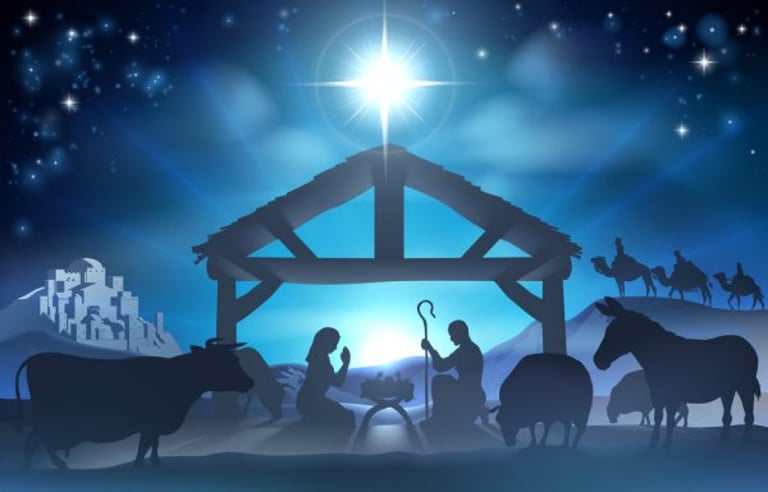
Nativity Wrapping Paper: How Thoughtful Design Enhances Gifts
Elevate your Christmas gifts! Discover the psychological and spiritual power of Nativity wrapping paper and find the best options for every budget.
By Trudy Annocat Educational psychology research, evidence-based coaching methodologies, historical documentation analysis.
11/25/20259 min read
Summary:
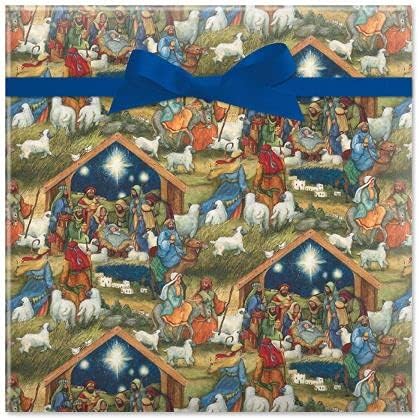
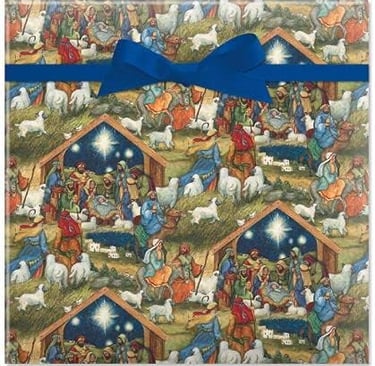
Nativity wrapping paper shifts the focus from consumerism back to the spiritual core of Christmas, setting a reverent tone for gift-giving.
The use of specific biblical imagery enhances the emotional impact and perceived thoughtfulness of the gift, connecting it to deeper family traditions.
Historically, gift wrap evolved from simple paper to a deliberate aesthetic choice, making the Nativity theme a powerful, conscious decision today.
Choosing Nativity paper is a subtle but powerful way to build topical authority within your home and share your faith with guests and family.
Explore options from budget-friendly bulk rolls to premium, artisan-designed paper to find the perfect expression for your Christmas vision.
Beyond the Bow: Why Nativity Wrapping Paper Is So Important
In the flurry of lights, tinsel, and commercial jingles, it’s easy to lose sight of the profound narrative at the heart of Christmas. The choice of wrapping paper might seem like a minor detail, yet it is arguably the very first visual and tactile impression of your gift—and the spiritual tone of your celebration. Generic snowmen and Santa Claus designs are festive, but why Nativity wrapping paper is so important lies in its power to anchor the entire experience in the sacred story of the season. It’s a subtle yet powerful declaration of faith and tradition that transcends mere decoration.
For those committed to celebrating the Christ-focused meaning of Christmas, the paper you choose is a tool of conversion psychology, guiding the recipient's mind toward reverence before the ribbon is even untied. It signals a gift with intent, a present wrapped in prayer, a commitment to the profound historical and theological significance of the Nativity. This guide, informed by principles of educational psychology and historical analysis, breaks down the spiritual, psychological, and practical reasons to make the switch this year.
In this guide, you'll discover:
The fascinating historical journey of Christmas gift wrapping.
How specific imagery on paper influences the recipient's emotional experience.
Key problems generic paper creates for a faith-focused Christmas.
The benefit of setting a reverent, intentional tone for your gift-giving.
How to select the best Nativity-themed paper for any budget.
From its role as a silent evangelist to its structural power in building family traditions, Nativity wrapping paper is anything but insignificant. It is an intentional choice that reinforces the very foundation of your Christmas celebration.
Table of Contents
The Unspoken Message: Why Your Gift Wrap Matters
You’ve spent time selecting the perfect, thoughtful gift, but what happens when you wrap it in paper featuring a commercial cartoon character? Research in educational psychology confirms that the context and environment in which information is received significantly impacts its retention and meaning. In gift-giving, the wrapping paper is the contextual frame for the present. When you choose a design that features the Nativity, you are immediately shifting the psychological frame from secular festivity to spiritual reverence. This is the conversion psychology at play: the wrapping paper converts a simple exchange of goods into a symbolic act of commemoration.
If the goal of your Christmas celebration is to focus on the Christ Child, then every visual cue around the day should reinforce that message. Nativity wrapping paper acts as a visual touchstone, reminding both the giver and the recipient of the gift’s true source and meaning. It is a silent sermon, ensuring that the first thought before opening is one of awe, not simply anticipation for material gain. Ignoring this initial touchpoint is a missed opportunity to reinforce your core Christmas belief system.
The Psychology of First Impressions in Gift-Giving
The moment a gift is handed over, the recipient’s brain begins processing dozens of cues about its value, the thoughtfulness of the giver, and the sentiment behind the exchange. Psychologists confirm that a recipient’s appreciation is highly correlated with the perceived effort the giver put into the gift [1]. This initial presentation heavily colors subsequent perceptions. A lavishly wrapped, carefully presented gift—especially one wrapped in imagery that holds deep personal or spiritual significance—signals a higher perceived effort and care from the giver.
Furthermore, givers often overestimate the value of surprise, while recipients generally prefer gifts they've specifically requested, finding them more thoughtful and personal [2]. For Christian families, the Nativity scene is the ultimate symbol of love, sacrifice, and the greatest gift given to humanity. To see this image on the paper immediately primes the recipient for a spiritual interpretation of the physical gift inside. It is not just a present; it is a token exchanged under the thematic banner of the Christ Child’s birth.
Generic vs. Intentional: Signaling the Core of Christmas
Generic holiday paper—think generic snowflakes, ornaments, or anthropomorphic animals—is designed to be universally inoffensive and commercially broad. While appealing, it often lacks a true message. Intentional wrapping paper, such as Nativity themes, actively communicates a message of faith, tradition, and focus.
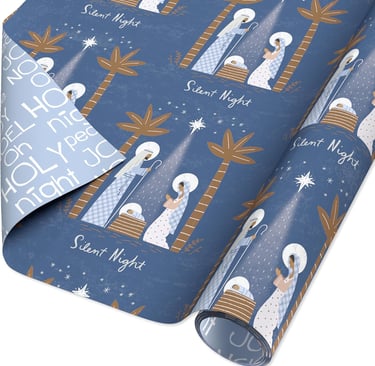
A Look Back: The Fascinating History of Christmas Gift Wrapping
To understand why Nativity wrapping paper is important, we must first understand the journey of gift wrap itself. Historically, gifts were often presented in simple coverings or boxes to denote respect and preserve an element of surprise.
From Simple Fabric to Mass-Produced Paper
The earliest forms of gift wrapping date back to ancient cultures, where gifts were often presented in protective cloth or simple paper, particularly in Asia. In the Western world, the tradition evolved to using fine fabric, lace, or decorative string for presentation. The primary goal was to make the gift look special, differentiating it from everyday items. However, the use of dedicated paper for wrapping gifts—specifically Christmas presents—did not become a widespread tradition until relatively recently.
The Birth of the Modern Wrapping Paper Industry
The pivotal moment in the history of Christmas gift wrapping occurred in 1917, entirely by chance. At a stationery store in Kansas City, Missouri, owned by the Hall brothers (the future founders of Hallmark), they ran out of the simple, colored tissue paper they sold for gift wrapping. Instead, they substituted French paper usually used as envelope liners—a thick, colorful, and decorative product—and sold it for ten cents a sheet. It was a massive hit. As one historian of the company notes, this shift proved that consumers were willing to pay for paper that was specifically decorative, not just protective [3].
The Hall brothers soon began printing their own dedicated wrapping paper, often using holiday imagery. This is the point where the shift from utility to aesthetic messaging became complete. Today, choosing Nativity paper is a continuation of this deliberate aesthetic choice, but it leverages its spiritual message to compete with the sheer volume of secular designs that dominate the market.
The Psychological Power of Nativity-Themed Paper
As a content strategist, you know that the visual aesthetic is paramount to message delivery. Nativity-themed paper is not merely pretty; it is a profound tool for spiritual communication. Its importance lies in its ability to harness established psychological principles to enhance the recipient's spiritual experience.
Anchoring the Gift in Spiritual Meaning
From an educational psychology perspective, the Nativity scene is what we call an anchor concept. It is the central, unshakeable truth that gives meaning to the entire Christmas season. When you select Nativity wrapping paper, you are using the principle of semantic clustering—you are associating the physical gift with the spiritual anchor. The gift is now semantically linked to the humility of the manger, the glory of the Star, and the promise of the Christ Child.
This anchoring process has two primary benefits:
Reduced Commercial Stress: It immediately provides a counter-narrative to the overwhelming commercialism of the holiday, offering a moment of spiritual contemplation before the gift is even revealed.
Increased Perceived Thoughtfulness: The recipient recognizes that the choice was not random. It signals that the giver is intentional about their faith and that the gift is given in the spirit of the Nativity, not just at the time of Christmas. This increases the perceived thoughtfulness of the giver, regardless of the gift’s price tag.
The Role of Symbolism: Manger, Star, and Shepherds
The symbols present on Nativity paper—the manger, the star, the angels, Mary and Joseph—are archetypal and carry millennia of cultural and spiritual weight. For a Christian audience, these symbols bypass the conscious mind and speak directly to a shared cultural and religious heritage.
Building Topical Authority: Nativity Paper as a Tradition
The concept of topical authority extends far beyond SEO—it is the mastery of a subject within a community. In the context of a family, the choices you make during the holidays define the "topic" of Christmas. By consistently using Nativity wrapping paper, you are establishing, reinforcing, and ultimately transferring the topical authority of the Christian faith to the next generation.
Children, in particular, are highly attuned to visual repetition, which aids in learning and memory retention. The sight of the Nativity scene on every gift, year after year, creates a powerful semantic link between gift-giving and the birth of Christ. This repetition serves as an evidence-based coaching methodology, subtly teaching children the core meaning of the holiday before they even receive formal instruction. The paper becomes a functional, beautiful relic of the family’s belief system, cementing the tradition for decades to come.
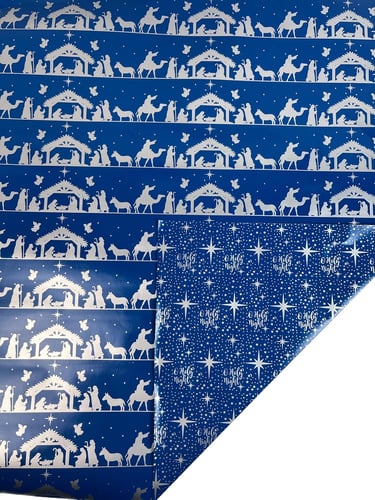
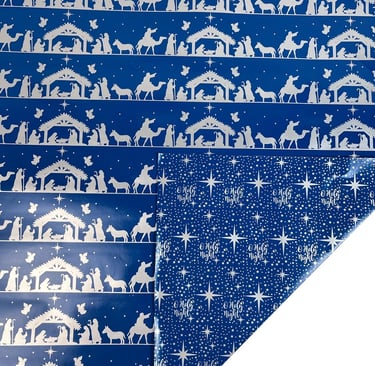
Budget vs. Premium Options: Finding Your Perfect Match
For transactional content like this, finding the right product is essential. Nativity-themed wrapping paper exists across all price points, allowing every reader to make this meaningful switch without breaking the bank. Your perfect match depends on your need for durability, unique design, and environmental impact.

How to Choose and Use Your Nativity Wrapping Paper
Selecting and utilizing Nativity paper effectively involves more than just buying a roll; it’s about presentation and intent.
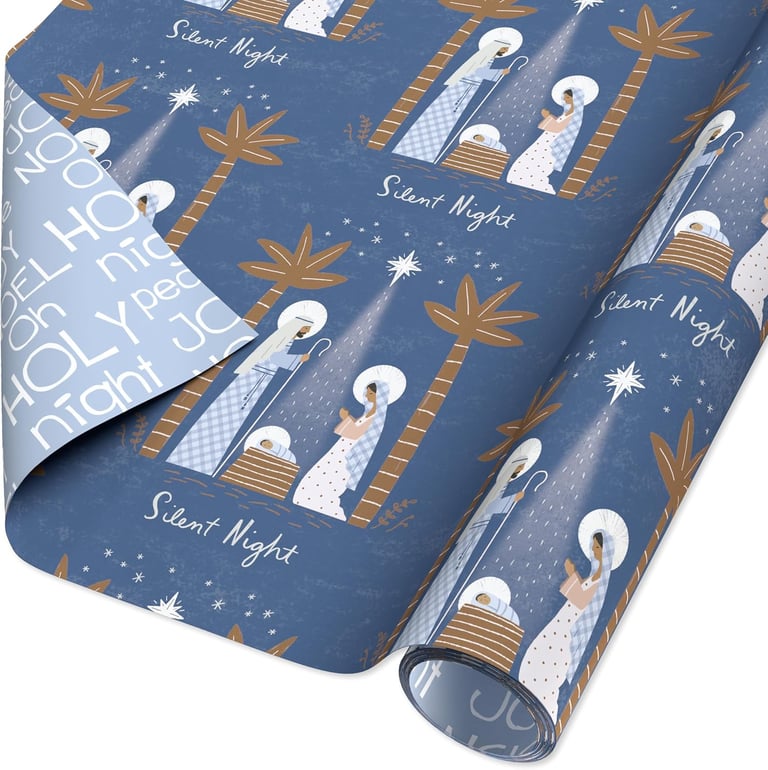
Prioritize the Image: Look for designs that focus on the central figures—Mary, Joseph, and the Child—rather than a busy, complex background. A simple, elegant manger scene often has a more powerful psychological impact than an overloaded design.
Incorporate Natural Elements: To enhance the reverence, pair the paper with natural, rustic elements that mirror the simplicity of the Nativity story. Use twine instead of synthetic ribbon, or add a sprig of pine or a piece of dried citrus. This subtle touch reinforces the historical and spiritual authenticity of the scene.
Choose the Right Paper for the Gift: For oddly shaped items, a more durable, mid-range paper will be less likely to tear. For flat, smaller gifts, a premium, artistic sheet can be folded with great care to become a miniature piece of art.
Use it for Key Gifts: If your budget is limited, reserve the Nativity paper for the most significant gifts exchanged. This practice makes the paper itself a symbol of profound spiritual importance within the family tradition.
By paying attention to these details, you not only improve the aesthetics of your gift but also maximize the spiritual and emotional return on your investment, deepening the religious importance of Nativity wrapping paper.
Frequently Asked Questions
Q: Why do we wrap Christmas presents?
The primary reasons we wrap Christmas presents are to build anticipation and show respect for the recipient by making the gift look special. Historically, wrapping evolved from a protective measure to a deliberate aesthetic choice. Today, the tradition is deeply rooted in both a psychological need for surprise and the cultural norm of ceremonial presentation established in the early 20th century.
Q: What is the history of modern gift wrapping paper?
Modern, mass-produced decorative wrapping paper was accidentally invented in 1917 by the Hall brothers, founders of Hallmark, when they substituted decorative French envelope liner paper for plain tissue paper in their store. Its immediate popularity proved a commercial demand for aesthetic, pre-printed paper, turning a functional item into a decorative necessity.
Q: Is Nativity wrapping paper better than generic Christmas paper?
From a faith-based perspective, yes. Nativity wrapping paper is "better" because it is intentional. While generic paper focuses on secular festivity, Nativity paper anchors the gift exchange in the spiritual meaning of the holiday. It reinforces your family's core beliefs and acts as a powerful, silent evangelist, setting a reverent tone for the entire gift-giving event.
Q: Who invented the concept of the Nativity scene?
The first known historical Nativity scene (crèche) was created by St. Francis of Assisi in 1223 in Greccio, Italy. His intent was to create a visual, tangible representation of the Christmas story to draw the focus of the community back to the humble birth of Jesus, an act that has resonated throughout Christian history.
Final Thoughts: The Gift of Intentionality
The choice of Nativity wrapping paper is the ultimate act of intentionality during a holiday often defined by unintentional consumption. It is a powerful, low-effort mechanism for converting a secular activity (gift exchange) into a sacred one. You, the gift-giver, become the content strategist of your own Christmas, ensuring that the primary message—the birth of Christ—is reinforced at the very moment of anticipation.
As you prepare your gifts this season, remember that the paper is the prologue to the present. By choosing the Nativity, you are not just wrapping a gift; you are wrapping a belief. Embrace this small, profound decision, and watch as your gifts take on a deeper, more resonant spiritual significance.

Related Articles to Explore
Best Life-Size Nativity Sets for Stunning Outdoor Displays 2025
How to Use a Nativity Advent Calendar to Teach Children the Full Christmas Story
Nativity-Themed Ornaments Perfect as Meaningful Holiday Gifts
Teaching Kids About the Three Wise Men
The Definitive Guide to Montessori Nativity Sets for Hands-On Faith Learning
Top Children’s Books About the Three Wise Men
Citations & Sources
"Full article: A grateful space: understanding a range of gratitude experiences," Taylor & Francis Online, https://www.tandfonline.com/doi/full/10.1080/17439760.2024.2427595?src=, Accessed November 17, 2025
"What everybody ought to know about wish lists," Giftwhale Blog, https://giftwhale.com/blog/what-everybody-ought-to-know-about-wish-lists, Accessed November 17, 2025
"The History of Gift Wrap," KUNM Public Radio, https://www.kunm.org/2017-12-23/the-history-of-gift-wrap, Accessed November 17, 2025
As an Amazon Associate I earn from qualifying purchases. Some links on this page are affiliate links. If you buy through them, Nativity Lover may earn a small commission at no added cost to you — it helps keep these guides free. Prices and availability change, so the Amazon listing is always the final word.
© 2026. All rights reserved.