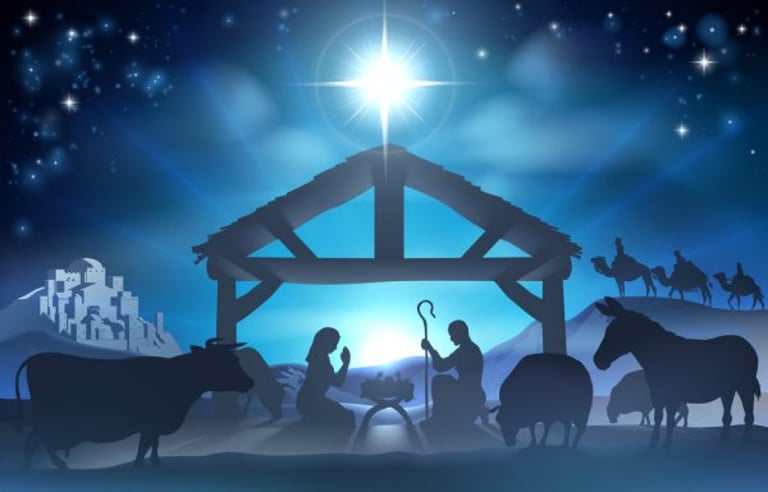
Creating a Living Nativity: A Complete Planning Guide for Churches and Communities
Creating a living Nativity can be a wonderful opportunity for the community to celebrate Christmas. Following these simple steps will help this be a pleasant event.
NATIVITY SETUPS
Grace Callahan
7/20/20265 min read
A Living Nativity Brings the Christmas Story to Life
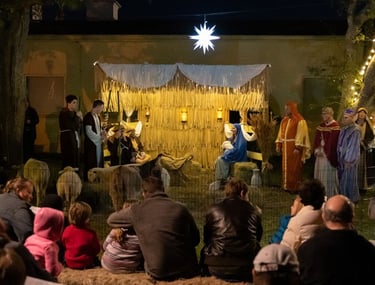
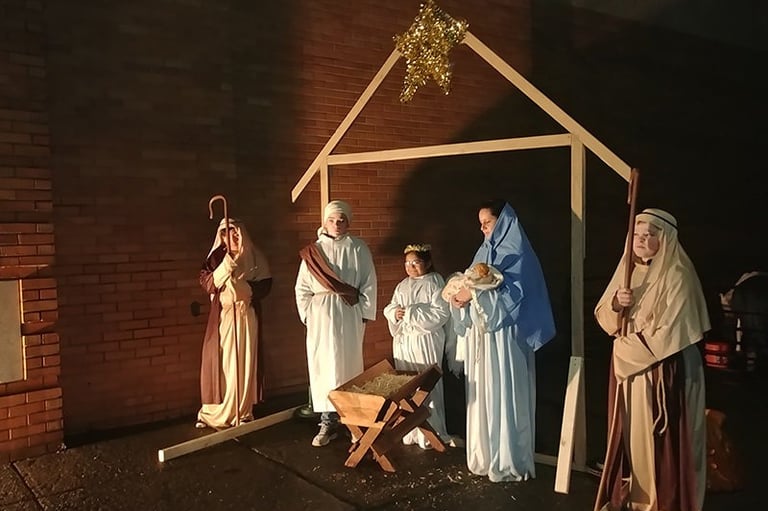
A living Nativity is one of the most meaningful ways to celebrate the Christmas season. By combining volunteers, costumes, music, and carefully planned scenes, churches and community organizations can create an experience that allows visitors to reflect on the birth of Jesus in a memorable and engaging way.
Whether you're organizing a small presentation for your congregation or a large community event, thoughtful planning makes all the difference. This guide walks through every major step—from deciding whether a living Nativity is right for your organization to organizing volunteers, preparing for weather, and creating an experience that visitors will remember long after the event ends.
Is a Living Nativity Right for Your Community?
Before recruiting volunteers or gathering costumes, consider whether a living Nativity is the right fit for your church or organization.
A living Nativity works especially well for:
Churches looking for an outreach event during Advent
Community Christmas celebrations
Christian schools
Youth ministries
Neighborhood organizations
Multi-church collaborations
Ask yourself:
Do we have enough volunteers?
Can we provide a safe location?
Do we have adequate parking?
Can we realistically plan the event over several months?
Do we have a backup plan for poor weather?
If the answer to most of these questions is yes, a living Nativity can become a cherished annual tradition.
Planning Timeline
One of the biggest reasons living Nativity events succeed is because planning begins well before December.
Three Months Before
Form a planning committee.
Choose the date and location.
Establish a preliminary budget.
Determine whether live animals will be used.
Reserve any necessary equipment or facilities.
Six Weeks Before
Recruit volunteers.
Assign acting roles.
Begin costume preparation.
Promote the event through church announcements and local media.
Coordinate parking and visitor flow.
Two Weeks Before
Hold rehearsals.
Test lighting and sound.
Finalize volunteer assignments.
Prepare signs and printed materials.
Confirm weather contingency plans.
Event Day
Hold a volunteer briefing.
Check costumes and props.
Test all lighting and sound equipment.
Welcome volunteers and guests.
Ensure safety teams are in place.
After the Event
Thank volunteers.
Clean and store costumes and props.
Gather feedback from participants.
Record ideas for improving next year's event.
Budgeting Your Living Nativity
Living Nativities do not need to be expensive, but creating a realistic budget helps avoid last-minute surprises.
Typical expenses may include:
Costumes
Props and scenery
Lighting
Printed programs
Signage
Refreshments
Insurance or permits (if required)
Animal care expenses
Miscellaneous supplies
Many churches successfully reduce costs by borrowing materials from members or neighboring congregations and encouraging donations of time and resources.
Choosing the Best Location
The location sets the tone for the entire experience.
Look for a space that offers:
Good visibility from nearby roads
Safe pedestrian access
Adequate parking
Accessible pathways
Electrical access for lighting
Shelter from severe weather if possible
Space for visitors to gather without crowding performers
If your event is expected to attract large attendance, develop a simple traffic and parking plan before advertising the event.
Building Your Volunteer Team
A successful living Nativity depends on much more than the actors portraying biblical characters.
Consider organizing volunteers into dedicated teams.
Churches looking for inspiration beyond a single local production can also explore 10 Famous Nativity Plays Around the World, which shows how communities have interpreted and staged the Christmas story in very different ways.
Cast Members
Mary
Joseph
Baby Jesus
Angels
Shepherds
Wise Men
Roman soldiers (if appropriate)
Innkeeper
Hospitality Team
Welcome guests, answer questions, and distribute programs.
Parking Team
Guide vehicles safely and help visitors find accessible parking.
Setup Team
Prepare scenery, lighting, decorations, and seating.
Sound and Lighting Team
Operate music, narration, microphones, and lighting throughout the presentation.
Safety Team
Assist with crowd management and respond to emergencies if needed.
Cleanup Team
Restore the venue after the event concludes.
Clearly defined responsibilities help volunteers work confidently and reduce confusion on event day.
Live Animals or Creative Alternatives?
Many living Nativities include animals, but they are not essential.
Before deciding, consider:
Animal welfare
Experienced handlers
Local regulations
Weather conditions
Safety for visitors
Stress on the animals
If live animals are impractical, realistic props, handcrafted displays, or carefully designed scenery can still create a meaningful presentation while reducing logistical complexity.
Creating a Meaningful Visitor Experience
The goal is not simply to display a scene but to help visitors reflect on the Christmas story.
Consider incorporating:
Live or recorded Christmas music
Scripture readings
Narration
Prayer opportunities
Quiet reflection areas
Clearly marked walking paths
Gentle lighting that enhances rather than distracts from the presentation
Small details often create the most memorable experiences.
Accessibility Matters
A welcoming event should be enjoyable for as many visitors as possible.
Think about:
Wheelchair-accessible pathways
Accessible parking spaces
Seating for older visitors
Restroom availability
Clearly visible signs
Adequate lighting for walkways
Family-friendly viewing areas
Planning for accessibility benefits every guest, not just those with specific mobility needs.
Safety Planning
Safety should be considered throughout the planning process.
Crowd Safety
Keep walkways clear and avoid creating bottlenecks.
Weather Planning
Have procedures for rain, snow, or high winds.
Volunteer Safety
Ensure volunteers understand their responsibilities and know whom to contact if problems arise.
Animal Safety
Separate visitors from animals when appropriate and ensure handlers remain nearby.
Emergency Planning
Identify first-aid resources and establish communication procedures before the event begins.
Common Mistakes First-Time Organizers Make
Many challenges can be avoided with early planning.
Common mistakes include:
Waiting too long to recruit volunteers
Skipping full rehearsals
Underestimating parking needs
Poor lighting that limits visibility
No backup weather plan
Assigning too many responsibilities to one person
Inadequate visitor signage
Forgetting to recognize volunteers afterward
Learning from these common issues can make the event more enjoyable for everyone involved.
Event-Day Checklist
Before welcoming visitors, confirm that:
Volunteers have checked in.
Costumes are ready.
Props are in place.
Lighting has been tested.
Sound equipment is functioning.
Parking volunteers are in position.
Walkways are clear.
First-aid supplies are available.
Signs are visible.
Weather conditions have been reviewed.
A simple checklist helps reduce stress and keeps everyone focused.
Final Thoughts
A living Nativity is much more than a holiday performance. It is an opportunity to bring people together, celebrate the birth of Christ, and create lasting memories within your church and community.
With thoughtful planning, clear communication, and dedicated volunteers, your event can become an annual tradition that inspires visitors of all ages while sharing the timeless message of Christmas.
Frequently Asked Questions
How many volunteers do I need for a living Nativity?
The number depends on the size of your event. Small presentations may require 10–15 volunteers, while larger community events often involve several dozen participants serving in acting, hospitality, parking, and support roles.
Should we use live animals?
Live animals can enhance authenticity but require experienced handlers, careful planning, and consideration for animal welfare. Many successful living Nativities use realistic alternatives instead.
How far in advance should we begin planning?
Beginning approximately three months before the event provides enough time to organize volunteers, prepare costumes, and promote the presentation.
What happens if the weather is poor?
Every event should include a weather contingency plan. Depending on your location, this may involve rescheduling, moving indoors, or modifying the presentation.
Do we need permits?
Requirements vary by community. Check with your local municipality and insurance provider if your event will be held on public property or is expected to attract large crowds.
How long should the presentation last?
Many living Nativity presentations last between 20 and 45 minutes, although visitors often spend additional time viewing displays, listening to music, or enjoying fellowship.
How can children participate?
Children can portray angels, shepherds, or members of the crowd, assist with music, or help welcome guests alongside adult volunteers.
How can we improve the event each year?
Collect feedback from volunteers and visitors after the event, note what worked well, and document opportunities for improvement while the experience is still fresh.

As an Amazon Associate I earn from qualifying purchases. Some links on this page are affiliate links. If you buy through them, Nativity Lover may earn a small commission at no added cost to you — it helps keep these guides free. Prices and availability change, so the Amazon listing is always the final word.
© 2026. All rights reserved.