History, Theology, and Archaeology
History, Theology, and Archaeology
Welcome to our deep-dive research center dedicated to exploring the historical realities, theological foundations, and archaeological mysteries surrounding the birth of Jesus Christ. This section is crafted specifically for history buffs, religious scholars, and curious readers seeking evidence-based answers. Here, we move past modern traditions to examine the first-century Roman world, original scriptural texts, and the physical excavations that bring the ancient biblical nativity story to life.
📜 Historical Context and Biblical Analysis
Step back into the first-century Judean world. Understanding the true setting of the nativity requires looking at the actual political, cultural, and spiritual landscapes of ancient Bethlehem. This category analyzes original scriptural texts and historical records to separate enduring myths from historical realities.
First-Century Geopolitics: Examine daily life under Roman rule, Judean housing structures, and the complex political climate during the reigns of Caesar Augustus and King Herod.
Scriptural Formations: Compare the distinct theological perspectives and narrative focuses found in the Gospel accounts of Matthew and Luke.
Cultural Evolutions: Trace how the narrative has been retold over two millennia, from the early church fathers to the creation of the very first physical nativity scene.
Ready to explore ancient Judea? Dive into our detailed historical breakdowns and scriptural commentaries.
🏛️ Archaeology and Holy Sites
Uncover the physical evidence left behind in the Holy Land. Modern archaeology provides a tangible bridge to the past, shedding light on the locations permanently tied to the Christmas story. This category covers excavation data, ancient architecture, and geographic overviews of sacred landmarks.
The Church of the Nativity: Explore the ancient origins, structural evolution, and deep religious significance of the oldest continuously operating church in Christianity.
Subterranean Discoveries: Examine the archaeological evidence recovered beneath the Church of the Nativity, including the history and preservation of the sacred cave.
Sacred Landscapes: Take a virtual journey through nearby holy sites, including the historic Shepherd’s Fields and the ancient infrastructure of Bethlehem.
Want to see the physical evidence? Explore our archaeological site profiles and holy land research guides.
🎨 Deep Dives into Key Figures and Art
Examine the core characters of the nativity and their cultural representations. This category looks closely at the historical identities, theological roles, and artistic legacies of the people who shaped the biblical narrative.
The Key Figures: Analyze the distinct perspectives, humility, and critical roles played by Mary, Joseph, the Angel Gabriel, and the Magi.
Artistic Legacy: Trace how Renaissance masterpieces, cultural movements, and color choices permanently transformed the global imagery of the nativity.
Material Traditions: Discover the rich global history and origins of nativity figurines, including expert methods for authenticating antique display sets.
Curious about the figures or the art? Read our biographical profiles and art history essays.
Frequently Asked Questions
1. What does archaeology tell us about the Church of the Nativity history?
Sacred Cave: Excavations confirm the basilica is built directly over a network of natural limestone caves revered since at least the 2nd century as Jesus' birthplace.
Structural Layers: Physical evidence tracks a rich architectural evolution, starting with Constantine's 4th-century church, Justinian's 6th-century Byzantine rebuild, and Crusader-era fortifications.
2. Is there physical evidence from Bethlehem archaeology supporting the nativity story?
First-Century Domestic Life: Excavators have uncovered ancient oil lamps, pottery shards, and limestone vessels standard to early Roman-period Judea.
Integrated Stables: Findings show local homes routinely built onto natural rock caves to shelter livestock, aligning perfectly with the biblical setting.
3. How do the Gospel accounts of the nativity compare?
Matthew’s Account: Written for a Jewish audience; emphasizes Abrahamic royal lineage, King Herod's politics, the Magi, and fulfilled Old Testament prophecies.
Luke’s Account: Written for a broader audience; focuses on social outcasts, the Roman census, Mary's perspective, the humble shepherds, and the manger.
4. What is the Star of Bethlehem explained by modern astronomy?
Historical Timeline: Astronomers cross-reference the biblical narrative with recorded celestial events occurring between 7 and 2 BC.
Key Theories: Leading data points to a rare, bright planetary conjunction (such as Jupiter and Saturn aligning in Pisces), a documented comet, or a localized supernova.
5. Why is the cave beneath the Church of the Nativity so important?
Authentic Architecture: Natural caves functioned as ground-floor stables in ancient Judean homes to shield animals from weather and theft.
Early Documentation: Church fathers recorded that Jesus was born in a Bethlehem cave long before the first structural basilicas were built over the site.
6. What are the most common historical myths about the nativity story?
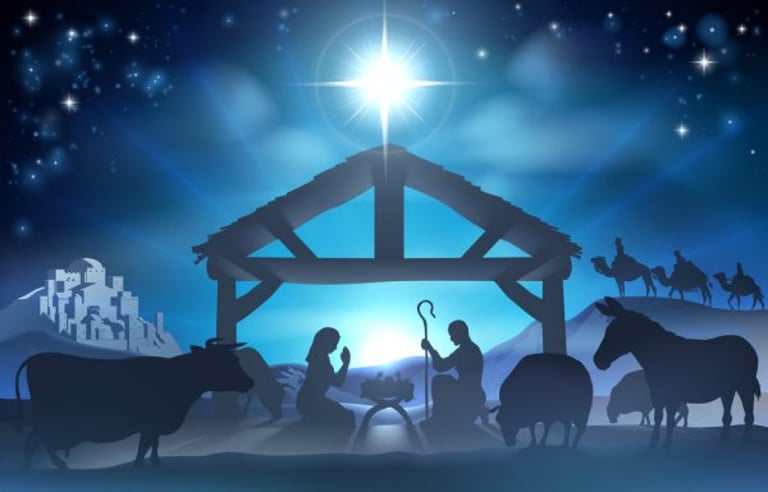
The Barn: Scripture and history indicate a Middle Eastern stone home/cave environment, not the isolated wooden barn popularized by European art.
The Magi: The Bible never specifies exactly three Wise Men (only three gifts), and historical timelines show they arrived months up to two years after the birth.
7. Who invented the first physical nativity scene and why?
The Inventor: Saint Francis of Assisi staged the first live nativity in Greccio, Italy, in 1223, utilizing a cave, straw, an ox, and a donkey.
The Purpose: He wanted to shift focus away from wealthy, abstract church art and bring the raw, humble reality of Christ’s birth directly to everyday people.
Conclusion
Piecing together the history, theology, and archaeology of the nativity reveals a story that is deeply grounded in physical reality. By examining the political climate of ancient Judea, studying the physical structures uncovered by excavators, and understanding the theological text, we gain a far deeper appreciation for the Christmas story. Use our specialized category hubs featured above to systematically explore the artifacts, manuscripts, and discoveries that continue to illuminate this monumental historical event.
As an Amazon Associate I earn from qualifying purchases. Some links on this page are affiliate links. If you buy through them, Nativity Lover may earn a small commission at no added cost to you — it helps keep these guides free. Prices and availability change, so the Amazon listing is always the final word.
© 2026. All rights reserved.