Epiphany Traditions and After-Christmas Joy
Epiphany Traditions and After-Christmas Joy
Welcome to the preservation and celebration hub for Epiphany and the extended holiday season. This section is engineered specifically for families, cultural researchers, and decorators looking to extend the warmth of the holidays beyond December 25th. Here, you will find comprehensive guides explaining the theological weight of the season, structural packing workflows to ease your post-holiday transition, and fascinating cultural deep dives into global folklore that keep festive joy alive into the new year.
📜 Liturgical Meaning & Theological Importance
Discover the deep spiritual foundations that anchor the close of the festive season. Epiphany bridges the historical gap between the birth in Bethlehem and the public manifestation of a global message.
Understanding the Meaning: Access foundational guides breaking down what Epiphany truly is, exploring its translation from the Greek epiphaneia ("manifestation" or "appearance") and its historical weight in Christianity.
Sustaining Festive Joy: Learn practical liturgical strategies on how to keep Christmas joy alive in your home by intentionally celebrating the full traditional Twelve Days of Christmas.
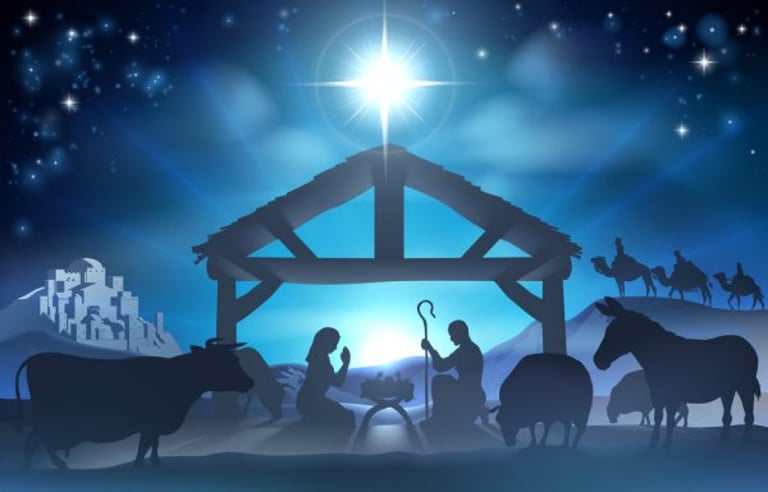
The Manifestation of Light: Explore the deep symbolism of light and tracking stars used throughout the season to signify hope, revelation, and new beginnings.
Ready to deepen your understanding? Explore our theological overviews and liturgical study guides.
🌍 Global Customs & Folk Legends
Take a tour of unique regional celebrations that define January 6th. Across different continents, communities have developed vibrant, highly localized folklore to celebrate the conclusion of the holidays.
9 Unique Global Traditions: Access our master directory showcasing nine exceptional Epiphany customs from around the world, from house blessings to festive street processions.
La Befana vs. The Wise Men: Dive into Italian folklore to discover the legendary Christmas witch La Befana, and explore why children across Italy frequently look forward to her arrival more than the Three Kings.
The Role of the Camel: Read our essential guide analyzing the critical role of the camel in Epiphany storytelling, honoring the resilient pack animals that made the long journey possible.
Want to bring international folklore home? Browse our global traditions directories and folk legend profiles.
📦 After-Christmas Logistics & Transition Workflows
Navigate the post-holiday season with practical structural frameworks. Properly transitioning your home ensures your seasonal investments are preserved and your space remains peaceful.
The "Twelve Days" Layout Strategy: Discover how to gradually adjust your interior staging throughout late December, moving your Magi figurines closer to the manger day by day until January 6th.
Streamlined Deconstruction: Master efficient workflows for systematically taking down interior garlands, packing delicate ceramic figures, and organizing outdoor electrical hardware without losing your holiday peace of mind.
Themed Family Gatherings: Find simple, structured ideas for hosting an end-of-season family dinner to close out the year's festivities with shared reflection.
Looking for a smooth transition? Check out our post-holiday breakdown guides and home transition workflows.
Frequently Asked Questions
1. What is Epiphany, and why is it important?
The Definition: Epiphany is a major Christian feast day celebrated on January 6th, marking the formal conclusion of the traditional Twelve Days of Christmas.
The Importance: It commemorates the arrival of the Magi in Bethlehem, symbolizing the first manifestation of Christ to the broader international world, making it a foundational pillar of the holiday calendar.
2. Who is La Befana, and why do kids love her?
The Legend: In Italian folklore, La Befana is a kind, soot-covered old woman who flies on a broomstick on Epiphany Eve to deliver treats to children, searching every home for the Christ child.
The Appeal: Children love her because her visit is highly intimate and immediate; she stuffs hand-knit stockings with candies, fruit, or sweet "carboni" (edible black sugar coal) for a joyful morning surprise.
3. What is the traditional role of the camel in the Epiphany story?
The Ultimate Pack Animal: Camels were the logistical backbone of near-eastern desert travel, uniquely engineered to carry heavy treasures like gold, frankincense, and myrrh across waterless terrain.
Cultural Legacy: In many traditions—particularly across Latin America—children leave fresh grass and bowls of water under their beds or on porches on January 5th specifically to sustain the Kings' weary camels.
4. How can I celebrate Epiphany at home to keep Christmas joy alive?
The Chalk Blessing: A timeless custom involves using blessed chalk to write the current year split by the initials of the traditional Magi over the front entryway (e.g., $20 + C + M + B + 26$) as a prayer for hospitality.
The King's Feast: Host a simple, dedicated family dinner on January 6th centered around a rich, savory main course and a traditional round sweet bread hiding a festive token inside.
5. What are the 'Twelve Days of Christmas' in historical reality?
The Timeline: They are the literal twelve days spanning from Christmas Day (December 25th) through the evening of January 5th (known as Twelfth Night).
Historical Purpose: This period was structurally designed by the early church to create a sustained, joyful celebration bridging Christ's birth with the arrival of the Wise Men on Epiphany.
6. When is the correct historical time to take down Christmas decorations?
Traditional Standard: Classical custom dictates keeping all decorations, interior greenery, and nativity scenes fully intact until the completion of Epiphany on January 6th.
Extended Liturgical Calendar: Some traditional frameworks extend the season even further until Candlemas on February 2nd, which marks the formal presentation of Jesus in the temple.
7. How can I safely store my delicate holiday accents after Epiphany?
Isolate Components: Store delicate materials like vinyl static window clings completely flat between wax paper sheets inside a hard-sided plastic storage tote to prevent melting or tearing.
Label with Intent: Wrap individual nativity pieces in soft moving blankets, packing them in reverse order so the base foundations are immediately accessible at the top of the box next winter.
Conclusion
Embracing Epiphany traditions allows us to conclude the holiday season with intentionality, deep historical context, and ongoing joy. By exploring the rich global folklore of figures like La Befana, honoring the grueling logistics of the Magi's camels, and establishing orderly, stress-free packing workflows, we protect both our structural investments and our family peace. Explore our specialized liturgical guides, international custom directories, and home transition checklists featured above to finish your holiday season beautifully!
As an Amazon Associate I earn from qualifying purchases. Some links on this page are affiliate links. If you buy through them, Nativity Lover may earn a small commission at no added cost to you — it helps keep these guides free. Prices and availability change, so the Amazon listing is always the final word.
© 2026. All rights reserved.