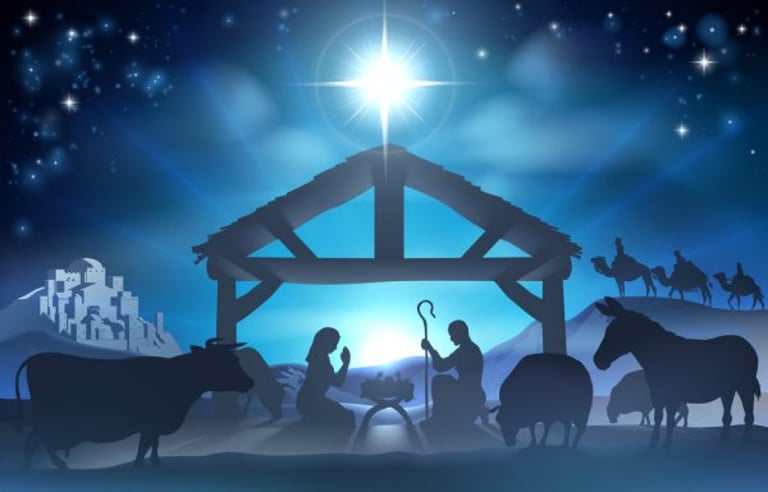
Worldwide Nativity and Christmas Customs
Worldwide Nativity and Christmas Customs
Welcome to our global cultural directory, a dedicated space tracing how different continents, countries, and communities visualize and celebrate the Christmas narrative. This section is engineered for cultural researchers, travelers, and international holiday enthusiasts. Here, you will find comprehensive guides on regional festive traditions, historical breakdowns of famous seasonal pageants, and deep stylistic analyses of unique international display aesthetics.
East Asian Christmas: Nativity & Celebrations in Japan & Korea
Exploring Global Nativity Traditions: Unique Ways Cultures Celebrate
Exploring Nativity Celebrations in Italy: Tradition and Festivity
Global Christmas: Unique Nativity Traditions Around the World
Nativity Traditions Around the World: The Complete Global Guide
🌍 Global Traditions & Regional Guides
Explore the rich tapestry of international holiday celebrations. While the core narrative remains universal, the surrounding customs, culinary delicacies, and community gatherings vary beautifully across borders.
The Complete Global Guide: Access comprehensive overviews mapping unique nativity traditions, regional folklore, and seasonal customs practiced around the world.
European Festivities: Dive into dedicated cultural profiles, from the intricate Presepe traditions across Italy to the comforting magic of Germany's historic Weihnachtsmärkte (Christmas markets) and traditional Stollen baking.
East Asian Celebrations: Explore how Christmas and nativity imagery are integrated into modern cultural celebrations, focusing on the unique seasonal landscapes of Japan and South Korea.
Ready to travel the world? Explore our regional tradition guides and cultural celebration profiles.
🎭 Historic Pageants & Famous Nativity Plays
Discover the power of live theatrical storytelling across generations. For centuries, community-driven dramatic performances have been central to preserving and sharing the holiday story.
The World's Most Famous Plays: Explore a curated directory showcasing ten of the most renowned and culturally significant nativity plays performed across different continents.
The German Passion Play: Learn the profound historical origin story, multi-century timeline, and massive community dedication behind Germany's world-famous theatrical traditions.
Interactive Cultural Retellings: Discover how distinct communities utilize street theater, local music, and historical costumes to bring scriptural narratives to life every winter.
Want to explore historic theater? Browse our pageant overviews and international play directories.
🎨 International Artistic Styles & Sculptural Formats
Examine how regional materials and localized aesthetics reshape the classic manger scene. From minimalist modern designs to hyper-detailed folk art, regional craftsmanship defines the look of the display.
Popular Global Display Styles: Access a comprehensive design analysis breaking down the most prominent and sought-after nativity scene formats found around the world.
Indigenous Materials: Learn how local artisans utilize native wood, clay, textiles, and metals to mirror their own community's landscape and heritage in their craftsmanship.
Cross-Cultural Visual Evolution: Trace how different societies intentionally adapt the expressions, clothing, and architectural backdrops of the Holy Family to match their regional art histories.
Looking for design inspiration from abroad? Check out our global art galleries and stylistic design guides.
Frequently Asked Questions
1. What are the most unique nativity traditions found around the world?
Italy's Living Displays: Known as Presepe Vivente, entire villages dress in historical first-century attire to create massive, interactive, living nativity scenes set in ancient hillsides.
The Provençal Santons: In France, displays include hand-painted clay figurines called santons ("little saints") that depict traditional village characters—like bakers, fishermen, and mayors—alongside the holy family.
2. How did Germany's Christmas markets and holiday foods originate?
The Weihnachtsmärkte: Originating in the late Middle Ages as winter meat markets, these open-air gatherings evolved into beloved community festivals featuring local wooden toy crafts and seasonal lights.
Festive Culinary Staples: Traditional treats like Stollen (a rich fruit bread covered in powdered sugar) were originally baked as symbolic loaves representing the wrapped infant Jesus.
3. How is the Nativity celebrated in East Asian countries like Japan and South Korea?
South Korea's Heritage: With a large Christian population, Christmas is recognized as an official public holiday, celebrated with elaborate church services, musical pageants, and family display setups.
Japan's Modern Customs: In Japan, Christmas is primarily a secular, commercial event celebrated with vibrant winter light illuminations, specific seasonal cakes, and unique romantic couples' traditions.
4. What makes the Oberammergau Passion Play so historically significant?
A Historic Vow: In 1633, the residents of Oberammergau, Germany, vowed to perform a play detailing the life and death of Christ every ten years if they were spared from the devastating bubonic plague.
Community Scale: The production involves over 2,000 local residents acting, singing, and building sets, maintaining a centuries-old tradition of community dedication and global cultural draw.
5. What are the main visual differences between European and Latin American nativity sets?
European Models: Frequently feature architectural ruins, muted earth tones, and realistic proportions heavily influenced by classical Renaissance and Baroque art movements.
Latin American Displays: Commonly known as Nacimientos, these vibrant sets display bright, saturated color palettes, localized indigenous clothing patterns, and include native regional animals like llamas.
6. Why do different cultures place modern local figures into an ancient Judean setting?
Theological Immediacy: Including everyday modern figures—like local tradespeople or farmers—emphasizes the belief that the message of the birth is immediate, accessible, and active within the current community.
Preserving Heritage: It serves as a creative archive for localized folk arts, allowing modern woodcarvers or potters to showcase their town's specific historical identity through the figures.
7. How can I thoughtfully incorporate international customs into my own home display?
Global Elements: You can add specific regional touches, such as placing a Polish szopka (a colorful, glittering castle-like structure) as your stable backdrop.
Multicultural Accents: Consider pairing your central scene with traditional ornaments or fair-trade, artisan-carved pieces sourced directly from international woodcarving communities.
Conclusion
Exploring worldwide nativity and Christmas customs reveals the incredible ways human creativity adapts a timeless narrative to fit local cultures, heritages, and artistic expressions. Whether you are studying the deep-rooted theatrical passion plays of Germany, tracking the beautiful clay folk art of Mediterranean displays, or discovering modern seasonal lighting trends in East Asia, these traditions enrich our global understanding of the holidays. Explore our specialized international directories, regional checklists, and cultural histories above to broaden your festive horizon this season!
As an Amazon Associate I earn from qualifying purchases. Some links on this page are affiliate links. If you buy through them, Nativity Lover may earn a small commission at no added cost to you — it helps keep these guides free. Prices and availability change, so the Amazon listing is always the final word.
© 2026. All rights reserved.