Global Traditions, Food, and Epiphany
Global Traditions, Food, and Epiphany
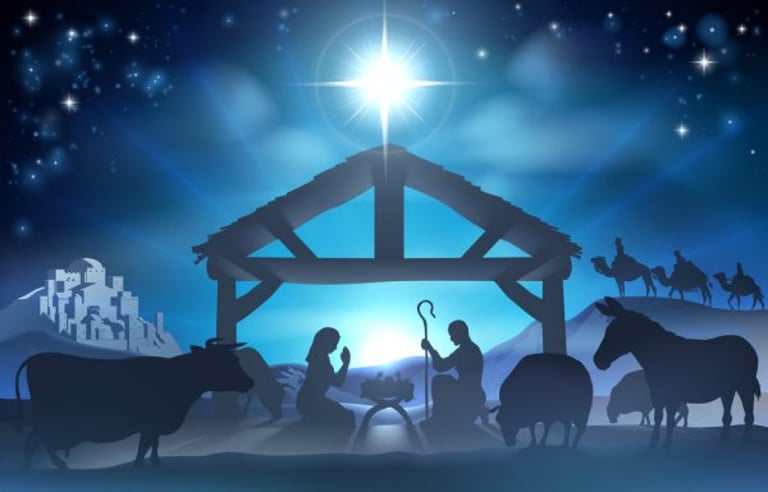
Welcome to our cultural and lifestyle directory exploring how the story of the Nativity is celebrated across the globe. This section maps out a logical, chronological timeline of the holiday season, guiding you seamlessly from Christmas Eve through the arrival of the Magi on January 6th. Here, you will discover the unique customs, distinct artistic styles, traditional culinary recipes, and enduring lore that define international holiday celebrations.
🌍 Worldwide Nativity and Christmas Customs
Explore Christmas traditions around the world. Discover how different cultures adapt the Nativity narrative into unique community pageants, historic plays, and distinct regional design aesthetics.
Famous Pageants & Passion Plays: Uncover the rich histories behind monumental seasonal performances, from Germany’s legendary theatrical productions to famous community nativity plays spanning multiple continents.
Regional Design Styles: Compare the architectural layouts and distinct visual aesthetics of iconic nativity displays, from Italian presepio craftsmanship to unique seasonal arrangements across East Asia, including Japan and South Korea.
Cultural Adaptations: Learn how diverse global communities uniquely interpret, transform, and celebrate the core nativity story across generations.
Want to see how the world celebrates? Explore our international custom profiles and global style guides.
🍳 Holiday Recipes and Culinary Traditions
Bring authentic Christmas recipes to your holiday table. Food is central to seasonal storytelling. This category connects traditional nativity narratives directly to regional culinary histories and international holiday menus.
Festive Main Courses & Sides: Access highly rated, nativity-inspired holiday recipes and curated traditional menus perfect for an elegant Christmas dinner.
Latin American Heritage: Discover the rich flavors, unique cooking methods, and deep culinary traditions that define Christmas Eve feasts across Latin America.
Epiphany Baking & Pastries: Learn the cultural history and hidden symbolism behind traditional holiday bakes, from German Stollen at the Weihnachtsmärkte to international King Cake recipes.
Ready to plan your holiday menu? Dive into our step-by-step recipes and culinary history guides.
🐫 The Journey and Lore of the Three Wise Men
Uncover the complex Three Wise Men history. Move beyond basic carols to trace the actual migration, ancient identities, and enduring legacy of the Magi as they followed the Star of Bethlehem.
Magi to Kings: Separate historical facts from common folklore regarding the Wise Men's true origins, traditional names, estimated ages, and political status.
The Expedition & Symbols: Analyze the strategic travel routes used by the Magi, the deep prophetic symbolism behind their gifts, and the astronomical mystery of the guiding star.
Historical Legacy: Trace what historical records and legends suggest happened to the Wise Men after their visit, including the location of their final resting place.
Fascinated by the journey of the Magi? Read our comprehensive historical deep dives and lore analyses.
👑 Epiphany Traditions and After-Christmas Joy
Extend the holiday season with a meaningful Epiphany celebration. January 6th marks the official arrival of the Magi. Learn how international cultures keep the holiday spirit alive well into the new year.
The Meaning of Epiphany: Understand the core religious importance, historical development, and global meaning of Three Kings' Day.
Global January 6th Customs: Explore unique cultural traditions, from Italian children awaiting gifts from La Befana to the essential symbolic role of camels in modern processions.
Extended Celebrations: Find practical ways to seamlessly integrate after-Christmas joy and community-focused Epiphany customs into your modern family traditions.
Ready to keep the Christmas spirit alive? Browse our Epiphany planning resources and custom guides.
Frequently Asked Questions
1. What are the most unique Christmas traditions around the world?
Italy: Features the historic Presepio (nativity scene), which frequently incorporates highly detailed, secular village figures alongside the Holy Family.
Germany: Centers holiday shopping and gathering around historic Weihnachtsmärkte (Christmas markets) featuring traditional woodcarvings and seasonal pastries.
East Asia: In Japan and South Korea, Christmas functions more as a commercial, romantic, or light-hearted secular holiday accented with brilliant urban illumination displays.
2. What is the historical significance of the Epiphany celebration?
The Meaning: Observed on January 6th, Epiphany marks the official manifestation of Christ to the Gentiles, symbolized by the arrival of the Magi.
The Timeline: It concludes the traditional Twelve Days of Christmas, serving as a major liturgical milestone and a distinct day of feasting across European and Latin American cultures.
3. What are the most traditional Christmas recipes for an Epiphany feast?
Stollen: A dense, fruit-and-nut-filled German Christmas bread coated in powdered sugar, symbolizing the swaddled infant Jesus.
King Cake (Rosca de Reyes): A ring-shaped pastry adorned with candied fruit to mimic a jeweled crown, traditionally baked with a hidden figurine inside to represent baby Jesus in hiding.
4. What does Three Wise Men history tell us about their true identities?
The Title: Originally documented as "Magi" (ancient Persian astrologers or priests), they were not officially depicted as literal kings until early medieval church traditions.
The Names: Scripture never names them; western Christian tradition later designated them as Melchior, Caspar, and Balthasar to represent diverse corners of the ancient world.
5. Why do different cultures celebrate Epiphany with distinct gift-bringers?
Spain & Latin America: Children leave shoes out on January 5th filled with grass or straw for the Wise Men's camels, waking up to gifts left by the Three Kings.
Italy: The focal figure is La Befana, a benevolent holiday witch who flies on a broomstick on Epiphany Eve to deliver candy to good children and coal to the naughty.
6. What happened to the Three Wise Men after visiting the Nativity?
The Return: Warned by a dream to avoid King Herod, historical lore states they returned to their eastern homelands via alternative, secret trade routes.
The Relics: Church tradition holds that their bones were later recovered by Saint Helena, moved to Constantinople, and eventually transferred to their current resting place in Germany's Cologne Cathedral.
7. Why is the camel so important to the Epiphany story?
The Caravan: As the primary pack animal capable of enduring the harsh desert terrain between Persia and Judea, camels made the Magi's historic expedition possible.
Modern Symbolism: In global Three Kings' Day parades, live camels or themed floats serve as an essential visual shorthand representing the long, faithful journey of the weary travelers.
Conclusion
Exploring the global footprint of the Nativity highlights the beautiful ways different cultures express faith, community, and joy. From the vibrant street pageants of Latin America and historic German markets to the rich theological lore of the Three Wise Men on Epiphany, these varied customs showcase the universal appeal of the Christmas story. Use our detailed category directories and culinary guides featured above to enrich your own holiday timeline and introduce time-tested global traditions to your home this season!
As an Amazon Associate I earn from qualifying purchases. Some links on this page are affiliate links. If you buy through them, Nativity Lover may earn a small commission at no added cost to you — it helps keep these guides free. Prices and availability change, so the Amazon listing is always the final word.
© 2026. All rights reserved.