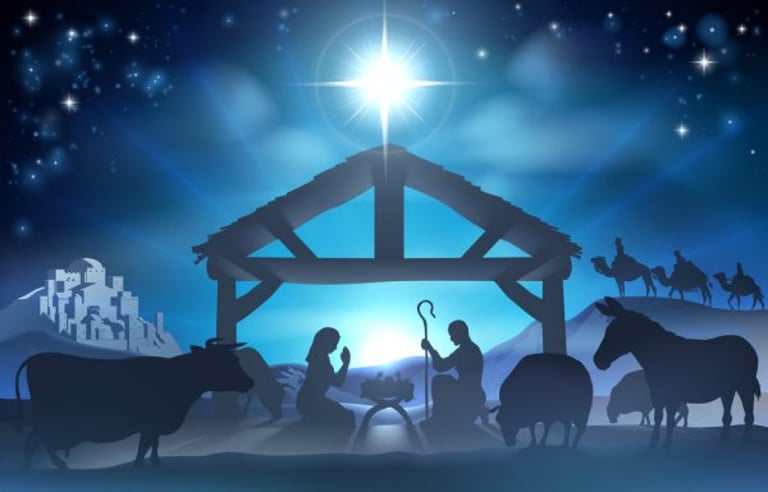
Animals and Hidden Figures of the Nativity
Animals and Hidden Figures of the Nativity
Welcome to our research archive dedicated to the uncredited heroes, obscure characters, and fauna of the historical nativity narrative. This section is engineered for history enthusiasts, theological scholars, and creative home decorators looking to expand beyond common traditions. Here, you will find objective investigations into ancient mid-eastern hospitality architecture, breakdowns of regional livestock symbolism, and practical tips for safely introducing unexpected characters—and even your own animals—into your holiday traditions.
👥 Obscure Characters & Historical Context
Look past the traditional mantle display to discover the real people of first-century Judea. Exploring the textual and cultural gaps reveals deep structural truths about the ancient world.
20 Fascinating Hidden Figures: Access our comprehensive biographical directory showcasing twenty obscure or regional nativity figures you have likely never heard of, from traditional European village tradespeople to ancient witnesses.
The Innkeeper Debunked: Dive into a rigorous analytical breakdown examining whether the classic Bethlehem innkeeper is a product of historical fact, fiction, or linguistic misunderstanding.
Unlocking 'No Room at the Inn': Discover the profound cultural, economic, and familial lessons hidden behind the classic phrase, exploring what ancient near-eastern hospitality laws say about the true nature of the narrative.
Unsung Heroes: Read deep-dive character profiles focusing on the gritty, practical resilience demonstrated by Mary and Joseph as they navigated sudden logistical, political, and social challenges.
Ready to meet the forgotten figures? Explore our historical character directories and hospitality research analyses.
🏛️ Topography & Settings: Stable vs. Cave
Analyze the architectural realities of ancient Bethlehem. The environments we envision in western art often diverge sharply from archaeological data.
Stable vs. Cave Showdown: Unveil the historical mystery behind the physical birthplace, evaluating scriptural context alongside traditional mid-eastern cave dwellings and lower-level domestic animal rooms.
Geographic Realities: Explore how first-century stone masonry, limestone topography, and multi-generational housing structures shaped the actual night in question.
Staging a Realistic Terrain: Learn structural design tips for modifying your home display backdrops to reflect rugged, authentic stone cliffs and earthy textures rather than European wooden barns.
Want to study ancient architecture? Browse our structural topography reports and setting comparison guides.
🐾 Livestock, Exotics & Pet Integration
Examine the symbolic and practical presence of the animal kingdom. Animals in the narrative did not merely serve as background props; they carried immense historical and cultural weight.
The Importance of Farm Animals: Understand the vital economic and symbolic roles played by basic first-century livestock—like oxen, sheep, and donkeys—in validating prophetic texts and daily survival.
Exotics: Elephants in the Display: Take a closer look at the inclusion of magnificent exotic animals like elephants, analyzing how regional global traditions (particularly across Italy and Asia) integrated royal caravans into the Magi’s retinue.
Including Your Household Pets: Explore a complete, highly practical guide filled with safety tips on fun ways to include your own domestic pets in your family's physical or digital holiday setups without stress.
Looking to enhance your display's animal kingdom? Check out our exotic beast analyses and domestic pet safety frameworks.
Frequently Asked Questions
1. Was there really a literal 'innkeeper' who turned Mary and Joseph away?
The Linguistic Reality: The original Greek text utilizes the word kataluma, which translates directly to a guest room, upper chamber, or family lodging space rather than a commercial hotel or public inn.
The Historical Context: Because the kataluma of the home was already completely filled with traveling relatives, the family was instead accommodated in the lower main room of the house, where domestic livestock were traditionally brought inside at night for warmth and security.
2. Why does historical tradition frequently place the birth in a cave instead of a wooden barn?
Limestone Topography: In the hill country of Judea, natural limestone caves were routinely modified by ancient builders to serve as durable foundations, storage cellars, or livestock stables attached directly to the backs of stone houses.
Early Church Records: The earliest historical records outside of scripture—including writing from Justin Martyr in the 2nd century—explicitly document that the birth occurred inside a local cave structure.
3. Why are basic farm animals like the ox and donkey considered so important to the scene?
Prophetic Symbolism: While not explicitly named in the gospel birth accounts, early scholars integrated the ox and donkey based on ancient texts like Isaiah 1:3, which states that the ox knows its owner and the donkey its master's crib.
Socio-Economic Worth: In first-century agrarian communities, these specific animals represented heavy labor, faithful service, and the humble realities of everyday working-class survival.
4. How did large exotic animals like elephants end up in traditional nativity scenes?
The Neapolitan Revolution: The tradition exploded in 18th-century Naples, Italy, where artisan craft workers began creating incredibly elaborate, sprawling Presepe scenes featuring massive international entourages traveling alongside the Kings.
Royal Grandeur: Including camels, horses, elephants, and leopards visually emphasized the vast wealth, international reach, and geographic diversity of the eastern travelers who brought royal tribute to Bethlehem
5. Who are some of the unique, lesser-known figures found in regional global nativity sets?
Benino (Italy): A traditional Neapolitan shepherd figurine depicted fast asleep at the edge of the display, symbolically warning viewers not to sleep through profound historic transformations.
The Caganer (Spain): A famous, humorous Catalan figure tucked discreetly away in the background of the landscape, representing human nature, earthly reality, and the fertilization of the soil for the coming year.
The Water Bearer / Miller: Common European folk characters added to village displays to represent everyday citizens offering their ordinary, daily professional labors to the newborn family.
6. What are the best ways to include my own pets in our holiday holiday setup safely?
Digital Integration: Take high-quality, close-up photos of your dogs or cats next to large, sturdy display items, using modern image editors to create personalized virtual holiday greeting cards.
Physical Protection: If you are staging a low, hands-on layout, utilize durable, solid wood or heavy-duty plastic animal figurines that cannot be swallowed or broken if a curious pet decides to inspect the display.
7. How can I structure my home display to better honor these hidden figures?
De-Clutter the Center: Keep your central manger setting clean, simple, and uncluttered to give the primary historical characters physical breathing room.
Create Tiered Vignettes: Arrange your shepherds, diverse village tradespeople, regional farm animals, and approaching exotic caravans along winding outer pathways or separate geographic tiers to tell a larger, scannable visual story.
Conclusion
Uncovering the animals, topography, and hidden figures of the nativity transforms our understanding of history from a simplified holiday greeting card into a rich tapestry of first-century life. By recognizing the architectural realities of limestone caves, correcting long-standing mistranslations regarding ancient guest rooms, and honoring the symbolic presence of both domestic and exotic beasts, we build a deeper, more authentic connection to the past. Explore our specialized character profiles, architectural logs, and animal integration manuals featured above to bring absolute historical depth to your home this season!
As an Amazon Associate I earn from qualifying purchases. Some links on this page are affiliate links. If you buy through them, Nativity Lover may earn a small commission at no added cost to you — it helps keep these guides free. Prices and availability change, so the Amazon listing is always the final word.
© 2026. All rights reserved.