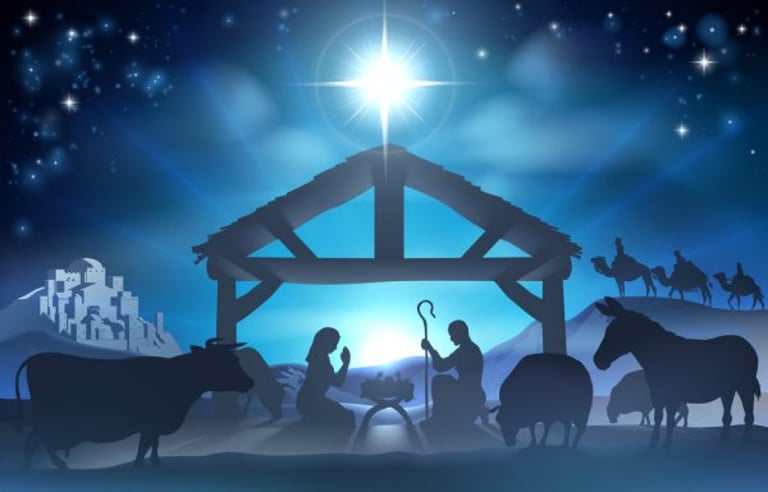
The Journey and Lore of the Three Wise Men
The Journey and Lore of the Three Wise Men
Welcome to the ultimate research hub dedicated to tracking the history, travel logistics, and enduring legends of the Magi. This section is engineered specifically for historical researchers, astronomy enthusiasts, and scriptural scholars looking to look past traditional folklore. Here, you will find objective investigations into ancient near-eastern trade routes, scientific breakdowns of celestial anomalies, and critical analyses of how these travelers transformed from mysterious eastern astronomers into the kings of western holiday tradition.
🐪 Ancient Logistics & Fact vs. Myth
Trace the physical realities of a multi-month desert expedition. Separating historical data from popular holiday myths reveals an epic journey of survival, diplomacy, and ancient navigation.
Fact vs. Myth Showdown: Access critical investigative guides breaking down the top 7 myths of the Magi, establishing the realistic timeline of their arrival months after the birth.
Travel Secrets & Routes: Discover the logistics of ancient near-eastern travel, focusing on the trade routes, security escorts, and pack animals required to cross harsh desert terrains.
The Age Inquiries: Explore why historians and artists throughout the centuries have been intensely curious about the symbolic ages and generations represented by the travelers.
Ready to uncover the real history? Explore our Magi myth-busting guides and travel logistics manuals.
🌟 Astronomical Phenomena & The Star of Bethlehem
Examine the heavenly mystery that served as a cosmic beacon. Modern science and ancient history intersect when investigating the unique celestial events recorded in the first century.
A Heavenly Mystery Explained: Dive into detailed astronomical analyses evaluating historical planetary conjunctions, comets, and supernovas that align with the scriptural timeline.
The Beacon of Hope: Learn how ancient near-eastern astronomers interpreted celestial movements as profound geopolitical omens, driving them to initiate a dangerous international journey.
Navigational Science: Explore how early travelers utilized primitive stargazing charts and night sky trajectories to navigate specific geographic coordinates.
Want to study the science of the skies? Browse our astronomical research reports and celestial navigation guides.
👑 Names, Symbolic Gifts & Post-Visit Lore
Investigate the cultural evolution, precious treasures, and ultimate fates of the Magi. Over two millennia, tradition has filled in the silent gaps of the textual record with rich, detailed narratives.
Evolution of Names: Trace the fascinating historical shift of these figures from anonymous eastern Magi (philosophers or priests) into the named western kings: Balthasar, Melchior, and Caspar.
The Right Gifts: Analyze the socio-economic value and profound theological symbolism behind the gold, frankincense, and myrrh, determining if they were the perfect practical assets for a family in flight.
The Final Resting Place: Uncover the legendary accounts detailing what happened to the Wise Men after they returned by another route, tracking the journey of their purported relics to their final resting spot in Cologne, Germany.
Looking to explore the legends? Check out our gift symbolism analyses and historical relic profiles.
Frequently Asked Questions
1. Did the Wise Men really arrive on Christmas night to visit baby Jesus?
Textual Evidence: No; historical and scriptural analysis indicates they visited months to nearly two years later, arriving when the Holy Family was securely living in a formal house rather than a temporary stable.
Herod's Reaction: This delayed timeline explains why King Herod ordered the execution of all male children in Bethlehem aged two years and under, calculated directly from the data provided by the Magi.
2. What are the traditional names of the Three Wise Men, and where did they come from?
The Names: Western Christian tradition identifies them as Melchior, Caspar, and Balthasar, representing different regions of the ancient world (Persia, India, and Arabia/Ethiopia).
Historical Source: The biblical text never mentions their names or even how many there were; these specific titles emerged centuries later in 6th-century Greek manuscripts and early medieval European chronicles.
3. What is the scientific explanation for the Star of Bethlehem?
Planetary Conjunction: A primary scientific theory points to a rare, exceptionally bright series of conjunctions between Jupiter and Saturn in the constellation Pisces around 7–6 BC.
Alternative Anomalies: Other astronomers suggest a recorded nova (a collapsing star bursting with sudden brightness) or a slow-moving comet documented by ancient Chinese astronomers during the same general era.
4. Did the Wise Men choose the right gifts, and what did they symbolize?
Gold: Represented kingship and royal tribute, providing the family with high-value, highly portable wealth that practically funded their sudden flight to Egypt to escape Herod.
Frankincense: A precious aromatic resin used in priestly temple worship, symbolizing divinity, prayer, and spiritual sacrifice.
Myrrh: A costly embalming ointment used to prepare bodies for burial, serving as a prophetic symbol pointing toward mortality and sacrifice.
5. What happened to the Wise Men after their visit to Bethlehem?
The Return Journey: Warned in a dream of King Herod’s murderous intentions, they bypassed Jerusalem entirely and returned to their eastern homelands via an alternate caravan route.
Later Legends: Church folklore suggests they were later baptized by the Apostle Thomas in the East and dedicated the remainder of their lives to spreading the message of the incarnation.
6. Where is the final resting place of the Three Wise Men?
The Shrine of the Three Kings: According to historical tradition, their purported relics were brought from Constantinople to Milan, and eventually transferred to Germany in 1164.
Cologne Cathedral: Today, their remains are housed inside a magnificent, gold-leaf triple sarcophagus behind the high altar of the Cologne Cathedral, serving as one of Europe’s largest pilgrimage sites.
7. Why are historians so curious about the ages and ethnic backgrounds of the Wise Men?
The Three Ages of Man: In classical art and historical lore, the three travelers are purposefully depicted as a young man, a middle-aged man, and an old man to symbolize that all stages of human life bow to the divine.
Global Unity: Their traditional depiction representing Europe, Asia, and Africa highlights the early theological message that the birth in Bethlehem was an event of universal, global significance.
Conclusion
Diving into the journey, science, and lore of the Three Wise Men transforms them from static porcelain figurines into dynamic players in an ancient international narrative. By examining the astronomical data behind the star, the immense financial utility of their symbolic gifts, and the multi-century evolution of their legends, we enrich our understanding of the historical world. Explore our specialized celestial logs, myth-busting databases, and relic histories featured above to bring absolute clarity to the story of the Magi!
As an Amazon Associate I earn from qualifying purchases. Some links on this page are affiliate links. If you buy through them, Nativity Lover may earn a small commission at no added cost to you — it helps keep these guides free. Prices and availability change, so the Amazon listing is always the final word.
© 2026. All rights reserved.